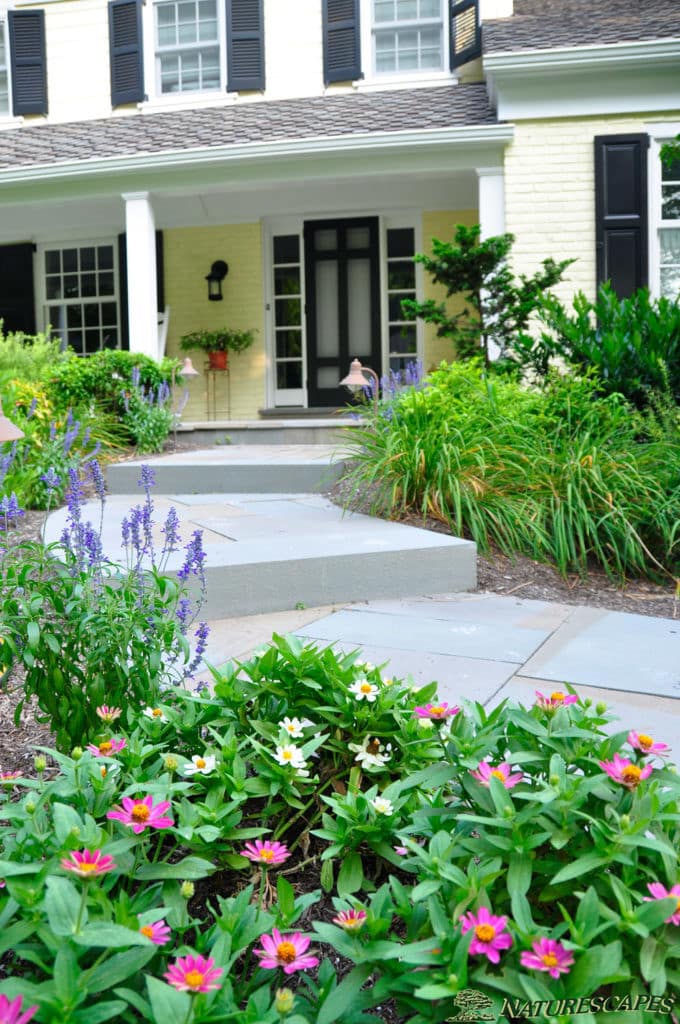
 When planning a new patio, walkway, pool or water feature surround, or outdoor living area, natural stone is one of the most timeless and durable material choices available. Two of the most popular options homeowners consider are bluestone and flagstone. While the names are often used interchangeably, there are important differences between the two that can affect the appearance, durability, maintenance, and overall feel of your outdoor space.
Choosing the right stone is about more than color alone; it’s about finding the material that best fits your home’s style, climate, budget, and how the space will actually be used.
What Is the Difference Between Bluestone and Flagstone?
One of the biggest misconceptions is that bluestone and flagstone are completely separate materials. In reality, bluestone is technically a type of flagstone.
Flagstone is a broad term used to describe flat natural stones commonly used in hardscaping and landscaping applications. These stones can include sandstone, limestone, slate, quartzite, and bluestone itself.
Bluestone, on the other hand, refers specifically to a dense blue-gray sandstone primarily quarried in the northeastern United States. It has become especially popular for patios, walkways, pool decks, and modern outdoor living spaces because of its durability and clean appearance.
Appearance & Style Differences
One of the biggest deciding factors for homeowners is usually the overall look of the stone.
Bluestone typically offers:
- Blue-gray or cool earth-tone coloring
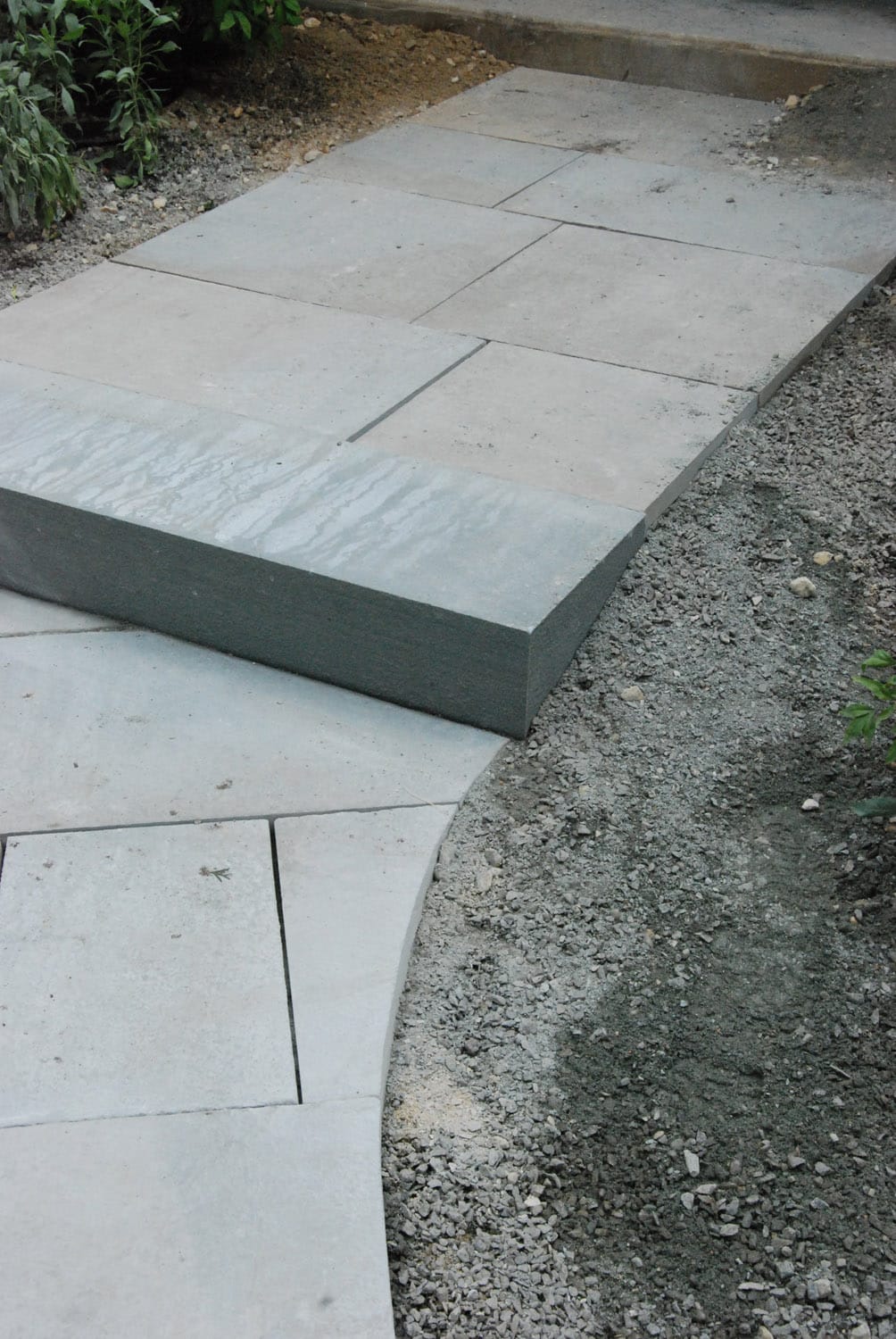
- More uniform cuts and cleaner lines
- A modern or formal appearance
- A sleek, architectural aesthetic
Flagstone generally provides:
- Wider color variation including browns, golds, reds, grays, and mixed earth tones
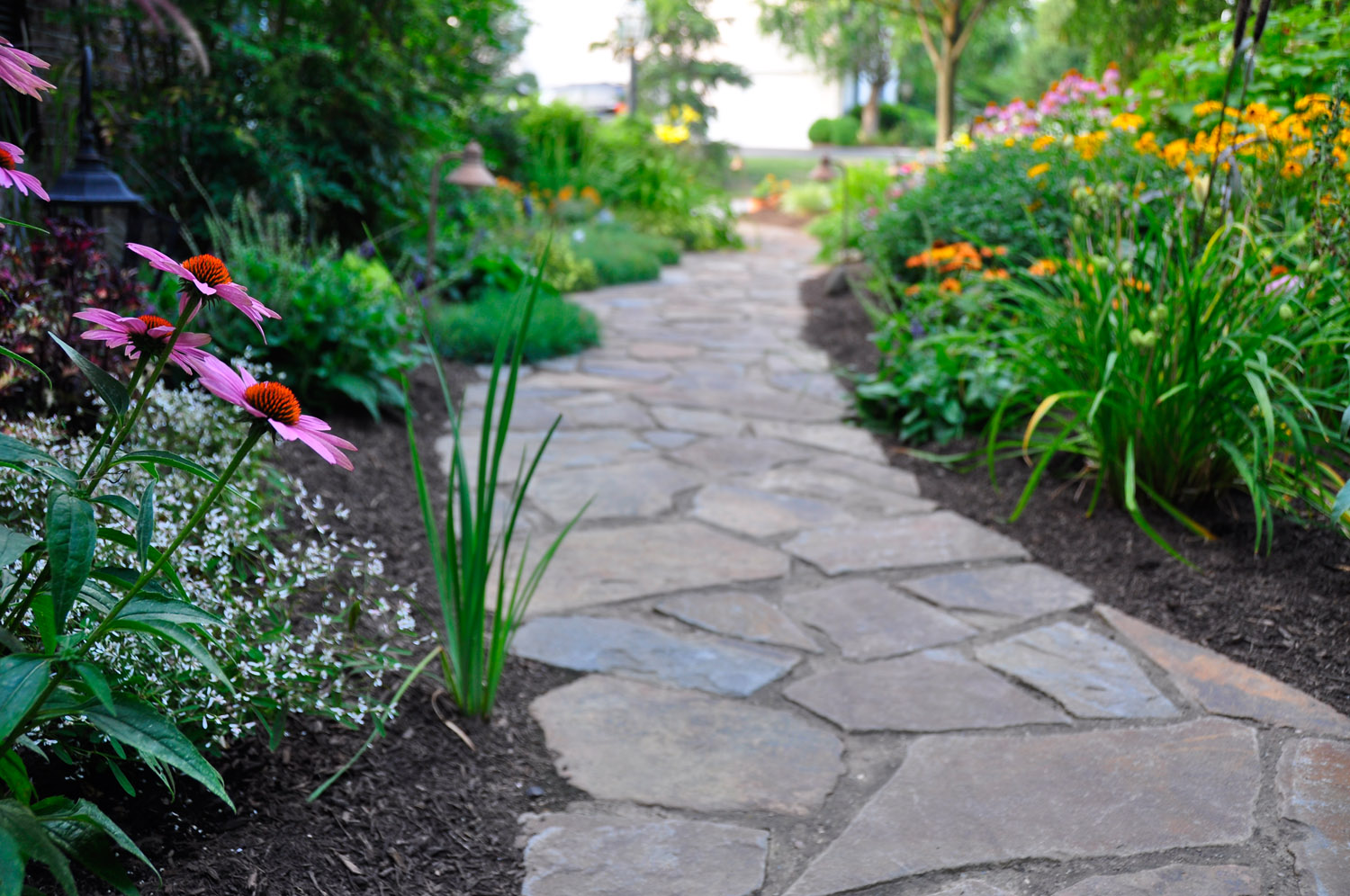
- More irregular and organic shapes
- A rustic, natural appearance
- Better blending with gardens and natural landscapes
Bluestone tends to stand out more as a design feature, while traditional flagstone often blends naturally into the surrounding landscape.
-

- Square Cut Bluestone Walkway
-
- Irregular Flagstone Walkway
Durability & Weather Resistance
Both materials perform well outdoors, but there are some important differences in strength and weather resistance.
Bluestone is generally considered the denser and more durable option. It holds up especially well in high-traffic areas and harsh freeze-thaw climates, making it a popular choice in northern regions.
Flagstone durability can vary depending on the specific type of stone used. Some flagstones are extremely durable, while softer varieties may be more prone to flaking or wear over time.
When comparing the two, homeowners often choose:
Bluestone For:
- Pool decks
- Modern patios
- High-traffic walkways
- Contemporary outdoor designs
- Structured layouts with clean lines
Flagstone For:
- Garden paths
- Rustic patios
- Cottage-style landscapes
- Natural or woodland settings
- Curved and freeform designs
Maintenance & Long-Term Care
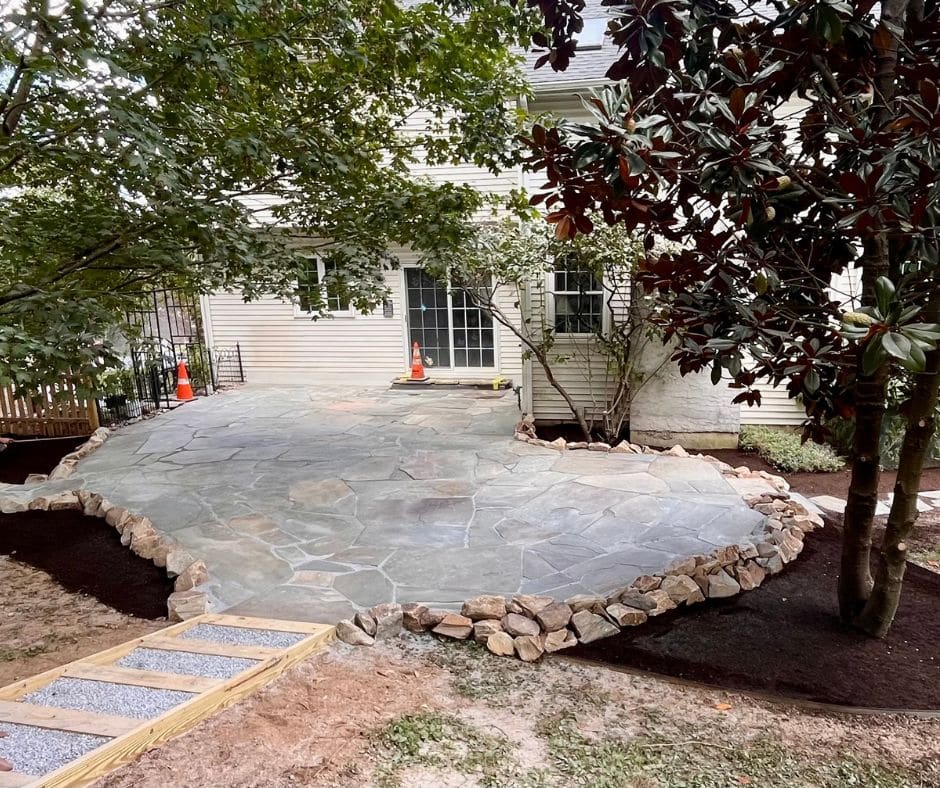 Natural stone is known for longevity, but maintenance requirements can vary.
Bluestone is somewhat more porous and may require periodic sealing to help prevent staining or discoloration over time. Because it is darker in color, it can also absorb and retain more heat in direct sunlight.
Flagstone is often slightly lower maintenance depending on the stone type, and lighter color varieties tend to stay cooler in sunny areas.
Both materials benefit from:
- Proper base preparation
- Professional installation
- Periodic cleaning
- Occasional joint maintenance or sealing
With quality installation and maintenance, both bluestone and flagstone can last for decades.
Cost Considerations
In many cases, bluestone is the more expensive option due to its density, weight, and regional quarry availability. Flagstone pricing can vary widely depending on the specific material selected, but it often provides more flexibility for homeowners working within a budget.
Which Stone Is Best for Your Project?
There’s no universal “better” option between bluestone and flagstone. The right choice depends on your goals for the space. If you prefer a cleaner, more modern look with strong durability and structured lines, bluestone may be the perfect fit.
If you want a softer, more natural, and rustic landscape design that blends into the surrounding environment, traditional flagstone may be the better choice.
At the end of the day, both materials offer timeless beauty, durability, and long-term value when professionally designed and installed. The best results come from choosing the material that complements both your home and the way you plan to enjoy your outdoor space for years to come. Our team at Naturescapes would love to help you plan and design your area and recommend which stone would enhance the natural beauty around your home. Schedule a consult today!